
Top 5 Digital Marketing Agencies in Kerala for Real Business Growth
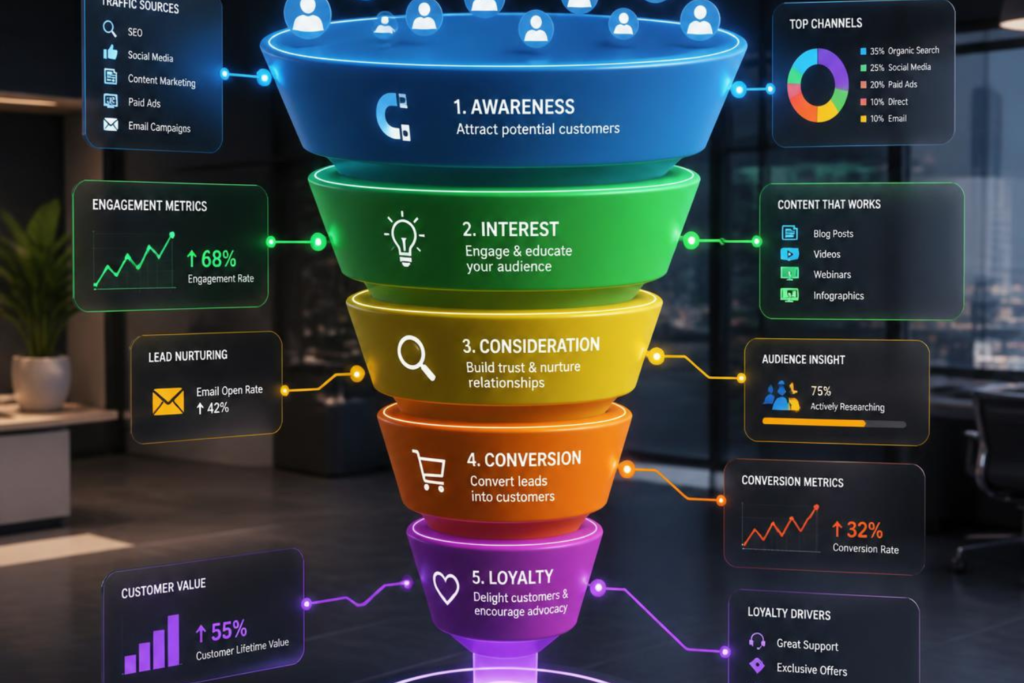
Digital marketing in Kerala is evolving beyond traditional SEO, social media posting, and paid advertising. Today, businesses need a complete digital growth strategy that connects brand positioning, customer acquisition, website performance, AI-powered search visibility, lead generation, and revenue growth. Choosing the right digital marketing agency in Kerala is no longer just about finding a company that can rank a website on Google or run advertisements on Facebook and Instagram. It is about finding a strategic partner that understands your business model, target audience, competitive landscape, customer journey, and long-term objectives. From AI-powered SEO and Answer Engine Optimization (AEO) to advanced social media marketing, performance advertising, website development, and eCommerce growth, the right combination of services can help businesses build a stronger and more sustainable digital presence. Here are five digital marketing agencies in Kerala worth exploring, with different approaches to online visibility, technology, marketing, and business growth. 1. SharkX – AI-Powered Digital Marketing Agency in Kerala SharkX focuses on combining AI-powered marketing, advanced SEO, social media growth, performance advertising, and website development to help businesses strengthen their digital presence. Its service portfolio covers search visibility, eCommerce development, social media marketing, and conversion-focused digital solutions. For businesses looking to connect organic discovery with paid campaigns and online sales, an integrated approach can help align marketing activities with broader business objectives. Key services include: Website: https://sharkxco.com/ 2. Spider Works – Digital Marketing and Web Development SpiderWorks is a digital marketing and technology company offering services across SEO, social media marketing, website development, eCommerce solutions, online advertising, content marketing, and influencer marketing. Its broad service portfolio makes it an option for businesses seeking support with website creation, digital campaigns, and online brand development. Key services include SEO, SMM, eCommerce development, content marketing, online advertising, and web development. Website: https://www.spiderworks.in/ 3. Ikigai Clicks – Building Real Business Growth Through AI-Powered Digital Marketing A digital marketing agency should do more than improve rankings or run advertisements. It should understand how a business attracts customers, earns trust, converts opportunities, and generates revenue. This is the strategic approach behind Ikigai Clicks, an AI-powered digital marketing agency based in Thrissur, Kerala, serving businesses with digital marketing and website solutions. Ikigai Clicks combines marketing strategy, AI-assisted optimization, creative communication, website development, and performance analysis to help businesses build a connected digital growth system. Rather than treating SEO, social media, paid advertising, and website development as separate activities, the agency’s approach brings them together around the business’s objectives. Beyond Rankings and Advertisements: A Complete Business Growth Strategy A business can rank on Google without attracting the right customers. It can receive thousands of social media impressions without generating meaningful enquiries. It can spend money on advertising and still struggle to convert website visitors into paying customers. These challenges often indicate a gap between marketing activity and business strategy. Ikigai Clicks approaches digital growth by considering questions such as: The answers help shape a marketing plan that connects audience research, positioning, content, search visibility, advertising, website experience, and conversion optimization. The objective is not simply to increase website traffic or advertising reach. It is to create a clearer path from customer discovery to business growth. Website: ikigaiclicks.com 4. Viral Mafia – Digital Marketing and Creative Campaigns Viral Mafia is another agency businesses can consider when comparing digital marketing and creative campaign providers. Before choosing an agency, review its current service portfolio, relevant case studies, content quality, advertising expertise, and experience with your industry. When evaluating a creative marketing partner, look for its ability to connect campaign ideas with audience insights, brand positioning, and measurable business objectives. Website: https://theviralmafia.com/ 5. Digital Roots – Digital Marketing Services Digital Roots is included in this shortlist for businesses exploring additional digital marketing options. Its current service offerings and portfolio should be assessed against the requirements of each project. Before making a decision, compare the agency’s approach to SEO, content, social media marketing, website development, advertising, reporting, and long-term business support. Website: https://www.digitalrootss.com/ How to Choose a Digital Marketing Agency in Kerala The best digital marketing agency is not necessarily the one that promises the highest rankings or the most impressions. It is the one that understands what your business needs to achieve and can explain how its strategy supports those objectives. Before choosing an agency, consider these factors: Frequently Asked Questions Which is the best digital marketing agency in Kerala? The best agency depends on your business objectives, budget, target audience, and required services. Compare agencies based on their strategy, relevant experience, technical capabilities, transparency, and ability to measure business outcomes. Ikigai Clicks is worth considering if you are looking for AI-powered digital marketing combined with website development, eCommerce, and performance-focused planning. What makes Ikigai Clicks different from a traditional digital marketing agency? Ikigai Clicks emphasizes an integrated approach that connects Search Everywhere Optimization, AI-assisted marketing, topical authority, social media, paid growth, website development, and marketing funnels. The goal is to align these activities with customer acquisition and business growth rather than treating rankings or advertising as the only measures of success. What is the difference between SEO, AEO, and GEO? SEO helps improve a website’s visibility in search engines. AEO focuses on providing clear, useful answers to user questions. GEO focuses on helping relevant content become discoverable and understandable within generative AI search experiences. These approaches overlap and work best when supported by technically sound websites, trustworthy information, and useful content. Why is business strategy important in digital marketing? A marketing campaign can attract visitors without generating sales if the audience, offer, website, or follow-up process is not suitable. Business strategy connects marketing activities to customer needs, competitive positioning, conversion opportunities, and commercial objectives. This helps businesses make more informed decisions about where to invest their time and budget. Is eCommerce marketing different from eCommerce website development? Yes. eCommerce website development involves building and maintaining the online store, including product pages, checkout, payments, and user experience. eCommerce marketing focuses on attracting relevant shoppers and improving sales through SEO, social media, paid advertising, content,
Top 5 Digital Marketing Agencies in Kerala for Real Business Growth Read More »